A work lunch system planner connects preparation, portioning, chilling, carrying, and resetting into one repeatable weekday routine. The goal is not to buy every useful kitchen item; it is to identify the required capabilities first, then add optional tools only when they solve a defined bottleneck.
Table of Contents
- Start with the complete lunch system
- Map the routine before buying anything
- Portion and store prepared food
- Plan temperature-aware transport
- Separate required equipment from conveniences
- Create a reset and review loop
- Limitations and practical boundaries
- Frequently Asked Questions
- Conclusion
Start with the complete lunch system
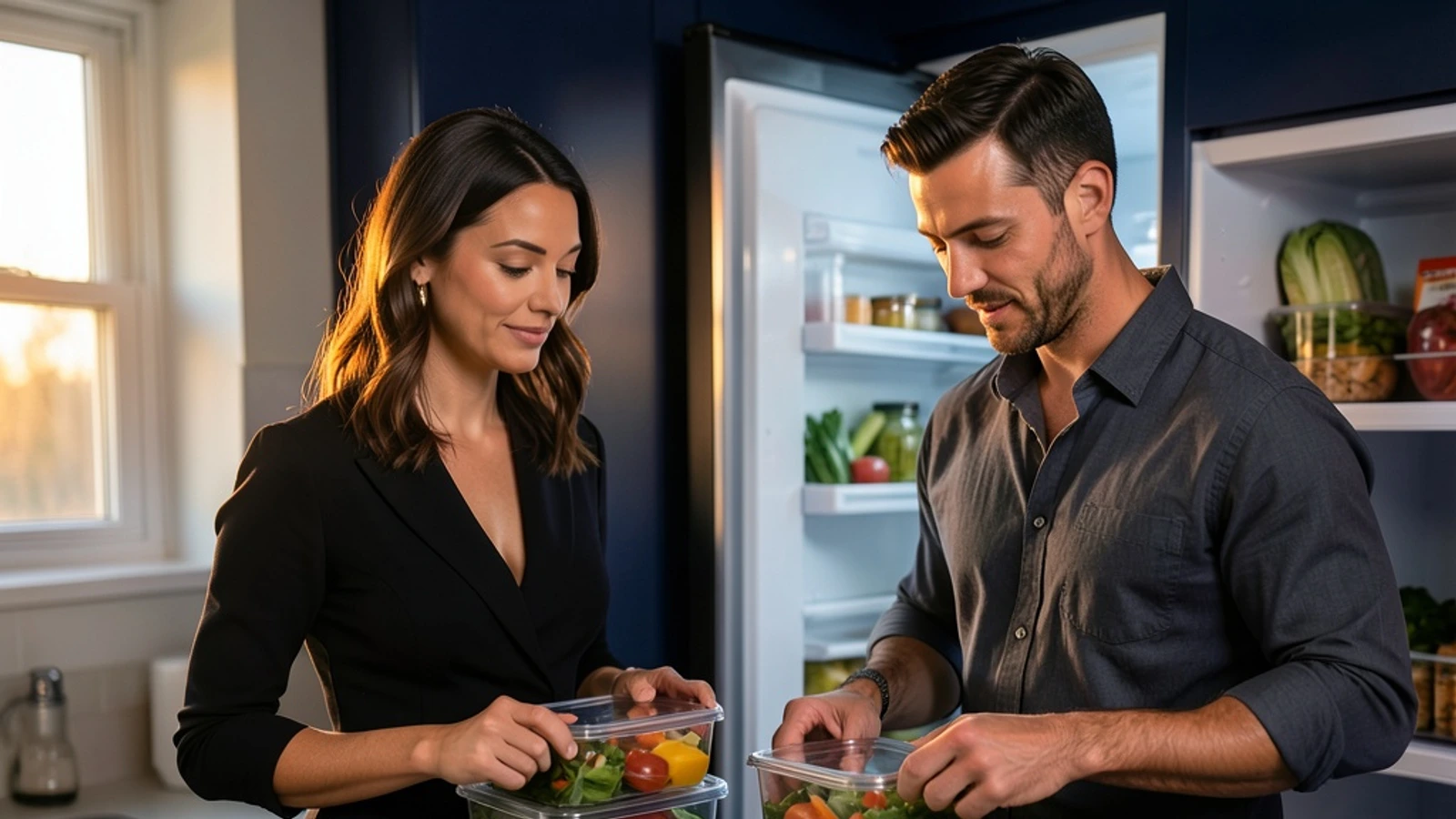
A packed lunch is not one product category. It is a chain of decisions: what food will be prepared, how it will be divided, where it will be chilled, how it will travel, and what happens to containers and leftovers afterward.
Use the home utility systems planner as a structured implementation after you understand the routine. Its value is in separating required product families from optional preparation tools, rather than treating every kitchen appliance or storage accessory as equally necessary.
The first required capability is prepared-food portioning and storage. You need a practical way to divide the food into servings and keep those servings contained between preparation, refrigeration, eating, and cleanup.
A system can be simple. A reusable container, refrigerator access, and a suitable insulated carrier may be enough for one routine, while another may need multiple portions, a cold source, and a dedicated place for returning used containers.
Map the routine before buying anything
Begin with a written sequence rather than a shopping list. Note when food is prepared, when it is portioned, how long it remains refrigerated, when it leaves the refrigerator, how it reaches work, and where the carrier and containers go after lunch.
A useful weekday lunch routine has five checkpoints: plan, prepare, portion, transport, and reset. Writing each checkpoint separately makes missing capabilities visible before a container or appliance enters the shortlist.
- Prepare: Cook or assemble food using the equipment already available.
- Portion: Divide food into realistic servings without creating unnecessary leftovers.
- Chill: Refrigerate food in a way that fits your storage space and schedule.
- Carry: Move the lunch in an appropriate container or carrier, with temperature control when needed.
- Reset: Wash, dry, return, and review the system before the next preparation cycle.
For planning principles, compare your intended batch with the home organization audit checklist. The relevant lesson is to inspect the whole workflow: available space, repeated friction, items that already exist, and steps that are routinely skipped.
Next, record constraints in plain language. Examples include “no refrigerator at work,” “only one evening for preparation,” “shared refrigerator,” “limited freezer space,” or “food must be eaten without reheating.” These statements matter more than general preferences because they determine which capabilities are required.
This planning method costs nothing. A sheet of paper can show whether the difficulty is cooking, portioning, chilling, carrying, or cleanup.
Portion and store prepared food
Portioning should match how the lunch will be eaten, not merely how the recipe was cooked. Consider whether the main food, sides, sauces, and snacks need separate compartments or whether one container is adequate.
Storage capacity is a planning limit. Count the containers that fit in the refrigerator, the space available for prepared food, and the room needed for ingredients that have not yet been used.
Use the EPA’s guidance on preventing wasted food at home to reinforce three practical habits: plan meals, check food already available, and buy quantities likely to be used. For a lunch routine, that can mean choosing a batch size from the calendar backward rather than preparing the maximum amount a container set can hold.
Visibility also matters. If prepared portions disappear behind other items, the system may fail even when the food is still usable.
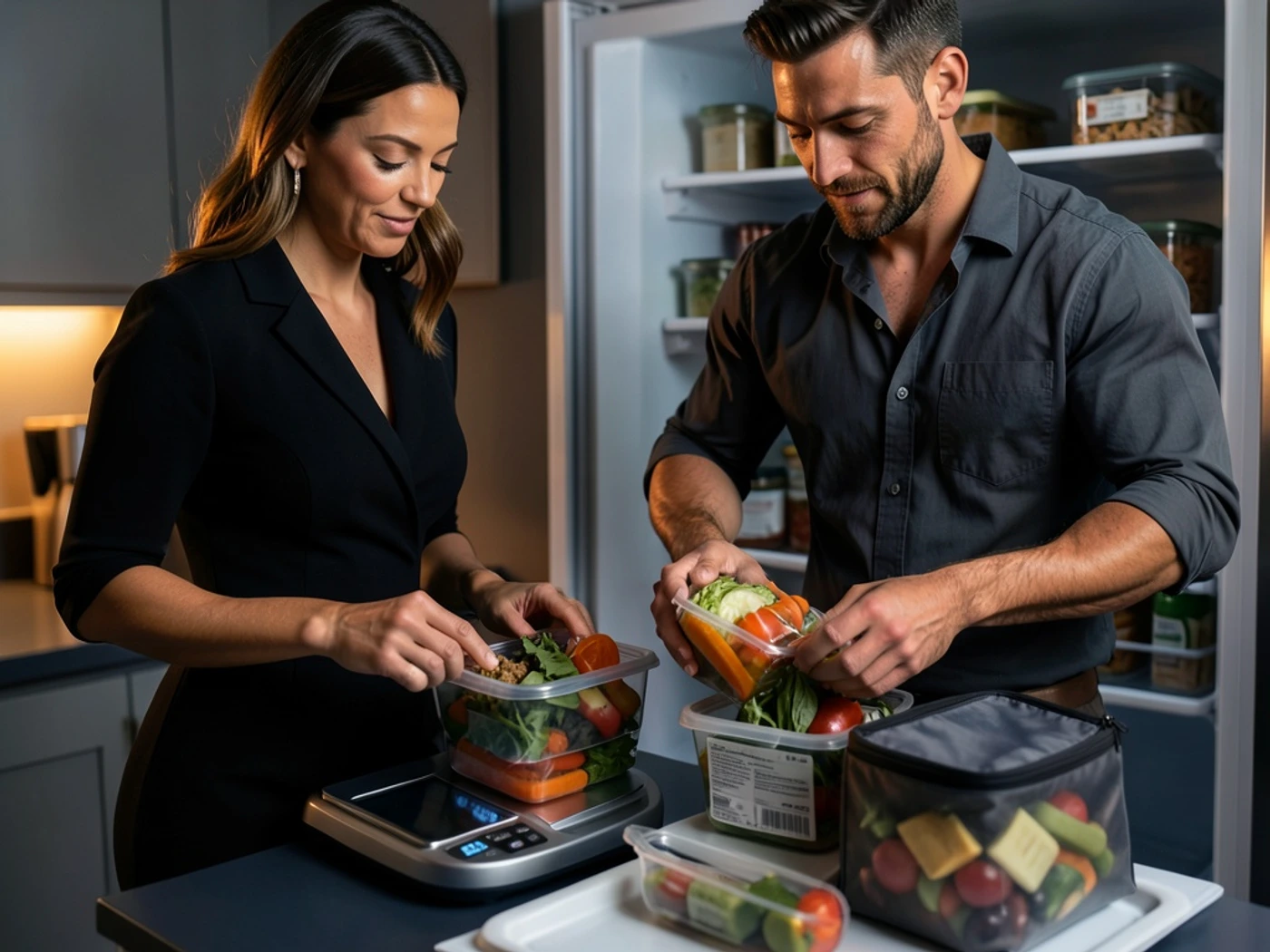
A kitchen scale may help when equal portions are important, but it is not a universal requirement. The required function is dependable portioning; that can come from a scale, a measuring method, recipe divisions, or simple visual allocation depending on the food and the person using the system.
Plan temperature-aware transport
Transport decisions should begin with the food and the route. Identify whether the lunch contains perishable items, how long it will be outside refrigeration, whether a refrigerator is available at the destination, and whether the carrier will remain in a hot vehicle, direct sun, or another uncontrolled environment.
For cold perishable lunches, the USDA’s lunch-packing guidance recommends an insulated soft-sided bag and two cold sources. That guidance is framed around school lunches, so apply it carefully to an adult work routine rather than assuming every workplace or food combination has identical conditions.
Temperature-aware transport is a capability, not a brand name. Depending on the declared routine, it may involve an insulated carrier, cold sources, a leak-resistant container, and a reliable way to keep the food away from conditions that could compromise its intended storage.
The FDA’s safe food handling framework organizes food safety around clean, separate, cook, and chill. Use that framework as a boundary for the routine: clean preparation surfaces and containers, separate foods where appropriate, cook according to the food’s needs, and chill prepared food as part of the process rather than as an afterthought.
Do not treat a carrier as a guarantee of safety. Insulation and cold sources support temperature control, but the actual result depends on starting temperature, food type, packing method, duration, and surrounding conditions.
Separate required equipment from conveniences
The required product families should follow the declared routine rather than a standard shopping list. Portioning and temperature-aware transport are required for the current system, while cooking or chopping tools remain optional until a recorded bottleneck justifies them.
- Prepared-food portioning: Containers or another dependable method for dividing and storing servings.
- Temperature-aware transport: An appropriate carrier and cold-control method when the food requires it.
- Cleaning and reset support: Access to washing, drying, and returning the reusable components.
- Refrigerated holding: A practical place to chill prepared food before transport or eating.
Optional tools belong in a separate category. A food chopper may reduce repetitive cutting, but it is unnecessary if knife preparation is already acceptable.
An air fryer is also an optional preparation tool, not a required part of every lunch system. If you are considering one, begin with the air fryer guide for general category context and use the air fryer finder only after identifying the foods, preparation volume, counter space, and schedule that would justify it.
The work lunch system planner should therefore ask capability questions before product questions. Do you need to cook faster, cut ingredients more consistently, hold more portions, keep food cold during transport, or make cleanup easier? A product is relevant only when it addresses one of those declared needs.
For a faster structured implementation, enter the routine into the systems tool. Declare the preparation pattern, portioning need, storage conditions, and transport requirements first; the tool can then organize evidence-backed product options around those constraints instead of presenting optional equipment as a default shopping list.
Create a reset and review loop
A lunch system is easier to repeat when the return path is explicit. Decide where the carrier goes after work, where used containers are placed, when cold sources are returned to the freezer or refrigerator, and when clean pieces are ready for the next cycle.
Keep the reset small enough to complete. Rinse or wash containers according to their care needs, allow them to dry, return the carrier to its storage location, and note any component that leaked, cracked, disappeared, or was difficult to clean.
Review returned food before preparing the next batch. Uneaten portions may indicate that the schedule changed, the quantity was too large, the meal was inconvenient to eat, or the menu no longer suits the day.
A simple weekly review can use four questions: What was eaten? What returned?
Which item solved a real problem? This keeps the system responsive and helps prevent purchases that merely add capacity without improving the routine.
Limitations and practical boundaries
No planner can determine safe handling for every food, route, workplace, climate, or storage condition. The supplied food-safety sources provide useful frameworks, but they do not replace current guidance for unusual foods, medical dietary needs, extended transport, or uncertain temperatures.
The system also cannot guarantee that a particular container will prevent leaks, that a carrier will maintain a target condition, or that a preparation appliance will save time for every cook. Those outcomes depend on design, loading, cleaning, food choice, and individual workflow.
Capacity estimates deserve caution as well. The number of lunches that can be prepared at once depends on refrigerator space, container availability, menu quality, work schedule, and the amount of food likely to be eaten. A smaller batch can be the better system when it reduces waste and remains easier to manage.
For more context on how this site evaluates utility and evidence, review the editorial policy. Use the kitchen utility category to continue exploring related tools without losing the distinction between a required capability and an optional convenience.
Frequently Asked Questions
What are the required parts of a work lunch system?
The routine needs a way to portion and store prepared food plus a transport method appropriate for temperature-sensitive items. If the lunch does not require temperature control, transport still needs to protect the food and fit the route, but a cold-control setup may not be necessary.
Are an air fryer and food chopper always required?
No. They are optional preparation tools and should appear only when they remove a real bottleneck in the chosen routine. If existing cookware and knife skills support the planned meals, adding either appliance may increase storage, cleaning, or decision demands without improving the system.
How many lunches should I prepare at once?
Choose a batch that matches storage capacity, schedule, food quality, and safe handling rather than maximizing container count. Start with the amount you can identify, chill, transport, and eat reliably, then adjust after reviewing what returned uneaten.
How can the system reduce food waste?
Plan realistic quantities, use existing ingredients first, keep prepared food visible, and review what returned uneaten before the next batch. Buying less can be more useful than adding storage when the main problem is over-preparation.
Work lunch system planner keeps the next step connected to the evidence already collected. It does not replace final measurements or current source verification.
This work lunch system planner keeps the next step connected to the evidence already collected. It does not replace final measurements or current source verification.
Conclusion
A reliable work lunch system planner starts with the complete path from preparation to reset, then separates required portioning and transport capabilities from optional appliances. Map your constraints without buying anything, use food-safety guidance for temperature-aware decisions, and let actual friction determine whether a product deserves a place in the routine.